
2026-01-15
How modern insurance platforms are actually built
A practical look at how insurance platforms are structured today — from core logic to integrations and user-facing products.
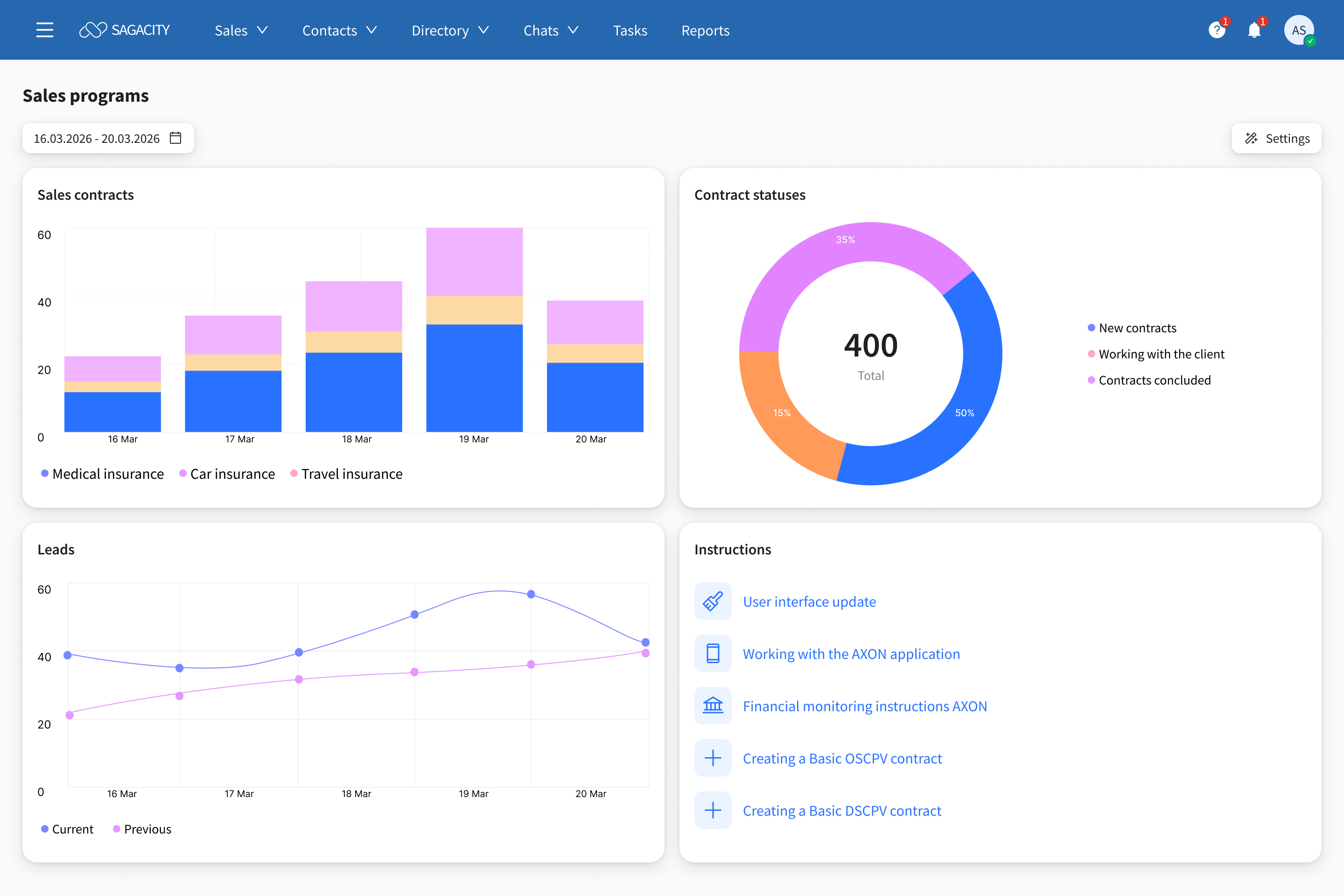
Modern insurance platforms are no longer just policy databases with a UI on top. They are complex ecosystems that combine product logic, sales flows, integrations, and multi-channel distribution.
The core of an insurance platform
At the heart of any insurance system lies a shared data model that handles consistent business logic:
- Product definitions and coverage rules
- Policy lifecycle management
- Claims processing
- Regulatory compliance
Each organization adapts these to match their products without rebuilding the system every time.
Sales and distribution layers
Modern insurance platforms rarely rely on a single sales channel. Instead, they provide:
- Online insurance stores
- Mobile applications
- Agent portals
- Partner API integrations
The challenge is consistency — ensuring that pricing, rules, and validations behave the same across channels.
Automation and process configuration
Modern platforms move away from hard-coded workflows and instead provide:
- BPMN process modeling (e.g., BRMS/Drools rules)
- No-code product configuration
- Visual rule builders
This allows business teams to adapt operations without waiting for development cycles.